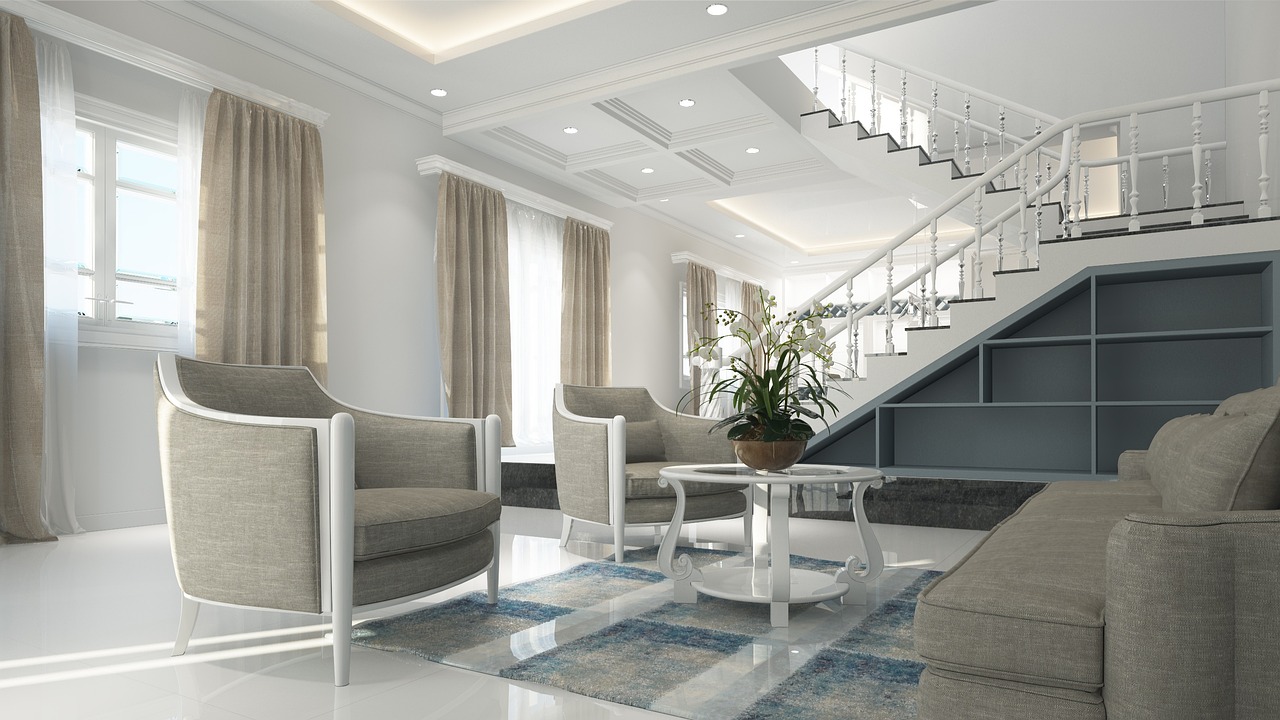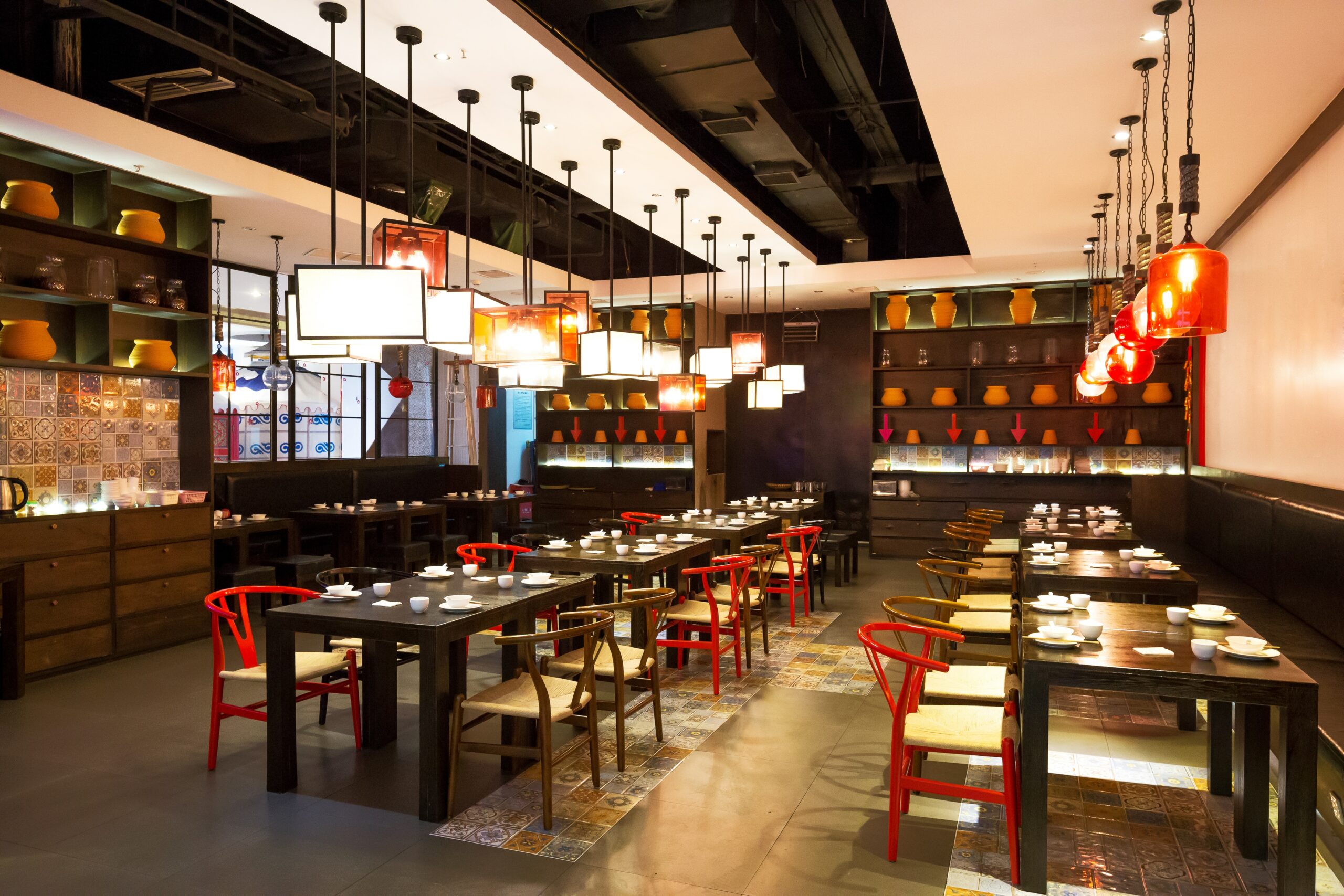

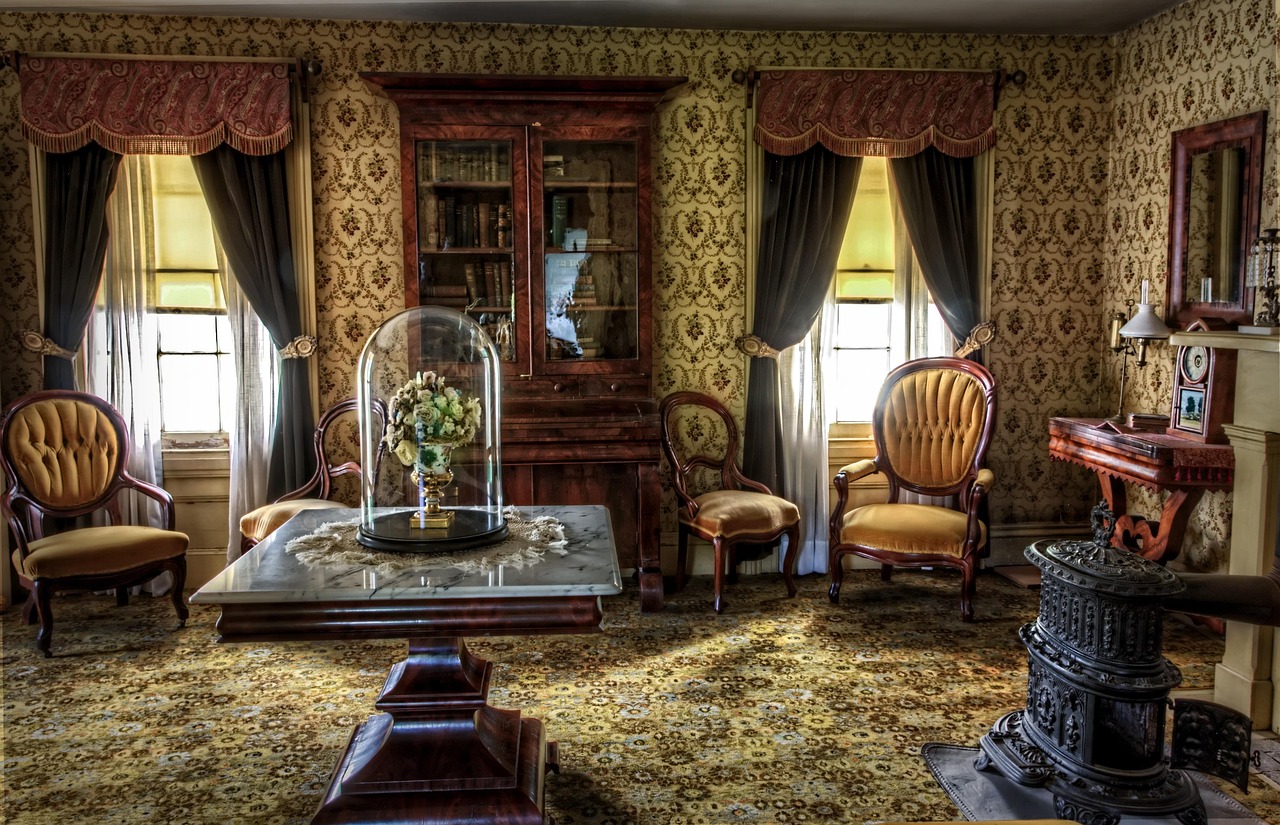
Your house is your haven, not just four walls and a roof. Your interior design says a lot about your goals, way of life, and character. Whether you’re decorating your first apartment, updating a room, or changing your entire house, home interior design is the creative key to make your space feel exactly right.
What Is Home Interior Design?
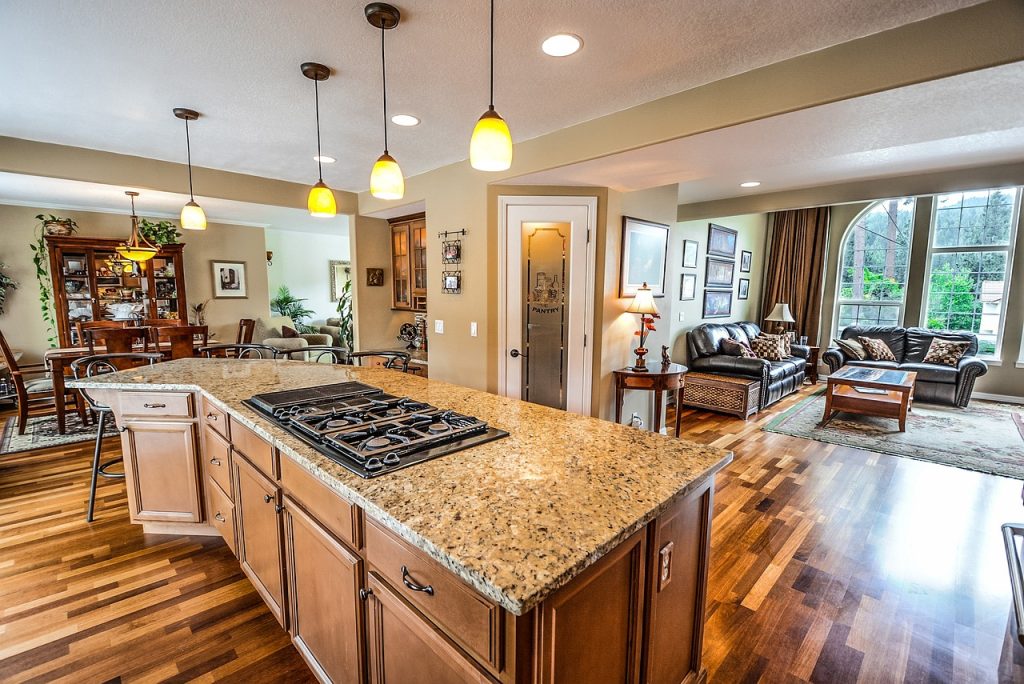
Home interior design is improving a room’s interior to create a more aesthetically pleasing and practical environment. It reflects both form and function using a combination of style, color, lighting, furniture, and arrangement. Good design makes your home more convenient and enjoyable to live in, in addition to looking lovely.
Why Home Interior Design Matters?
Your mood, output, and even your relationships can all be affected by the design and atmosphere of your home. An intelligently arranged space can inspire and uplift; a messy, dark room might sap your energy. Interior design helps you find balance and harmony in your life. Whether it’s a warm-lit reading nook or an open-plan kitchen bathed in natural light, the appropriate design can radically alter your perspective on your house.
Fundamental Components of Interior Design
It helps to know the fundamental components of interior design if you want to create or remodel your home.
1. Space
Great design starts with an awareness of how to utilize space, big or small. Defined zones give a room organization and intention; an open design makes it feel free and light.
2. Color
Color establishes the tone. Soft neutrals provide tranquility, strong colors excite, and pastel tones can foster a relaxing environment. A room may seem bigger, more welcoming, or more vivid depending on its color palette.
3. lights
Natural and artificial lighting ought to complement one another. Mix ambient (general), task (focused), and accent (decorative) lighting to give any room depth and utility.
4. Furnishings and Decoration
Select items that mirror your style yet also fit the function and dimensions of the space. Large rooms with minimalistic furniture might run the risk of feeling too bare; small spaces with oversized sofas might feel crowded. Include personality using plants, pillows, rugs, and artwork.
5. Pattern and Texture
Textures like wood, metal, linen, or velvet add richness to your design. Patterns, applied judiciously, add visual interest. A floral wallpaper or a striped rug can make a chic centerpiece.
Popular Interior Design Styles
Unsure of your style? Here are some well-liked choices to motivate you:
- Modern: minimalism, neutral hues, clean lines.
- Bohemian: eclectic, vibrant, patterned, and textured.
- Scandinavian design is characterized by simplicity, functionality, and an abundance of white and natural wood.
- Industrial: Urban feel from exposed brick, metal fittings, rawness.
- Classic furniture, sophisticated touches, strong tones.
Tips to Get Started
Begin with one room: Don’t feel like you have to assault your whole home at once. Begin with one room and develop from there.
- Plan where everything will go using a sketch or an internet tool.
- Gather pictures, hues, textiles, and ideas before shopping to make a mood board.
- Consider the long term: select timeless items that will endure and prioritize quality over quantity.
- Don’t hesitate to combine designs; a mix of them usually feels more personal and lived-in than a space that is overly “matchy-matchy.”
Conclusion
Home interior design goes beyond dressing. It’s about designing an environment that best reflects your values and lifestyle. Any property may be made to feel genuinely yours with the proper mix of imagination, organization, and motivation.