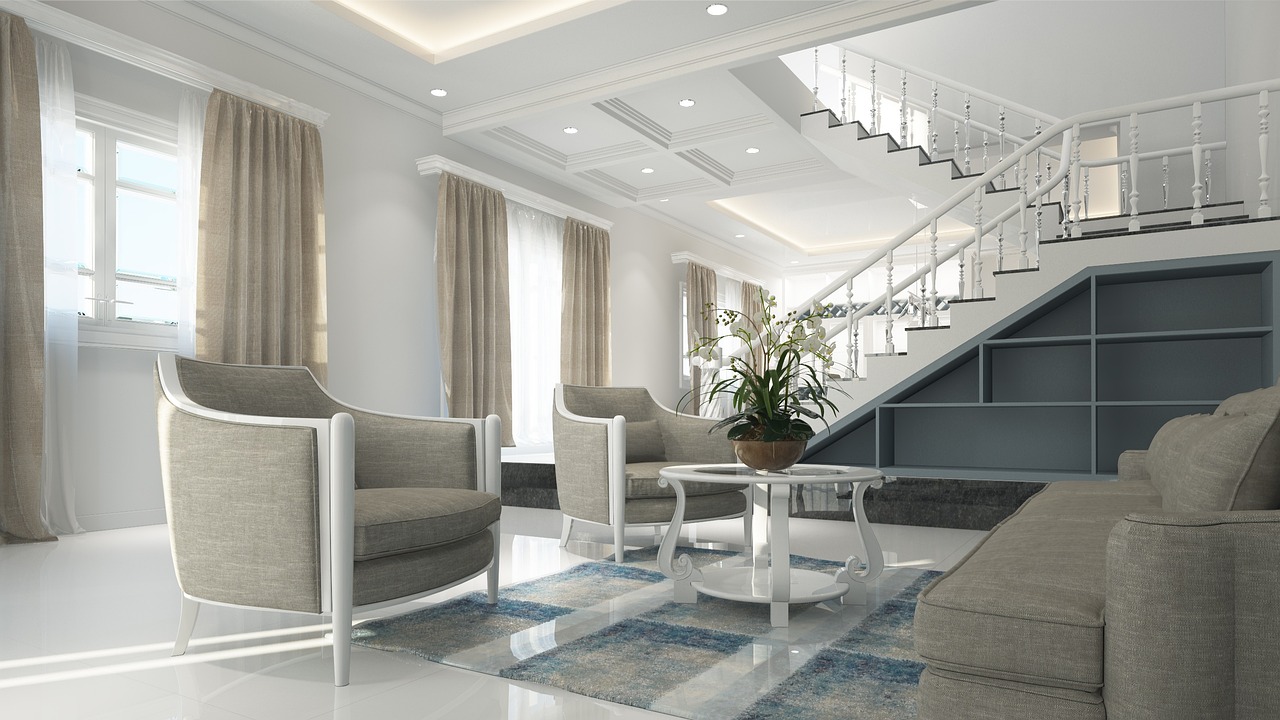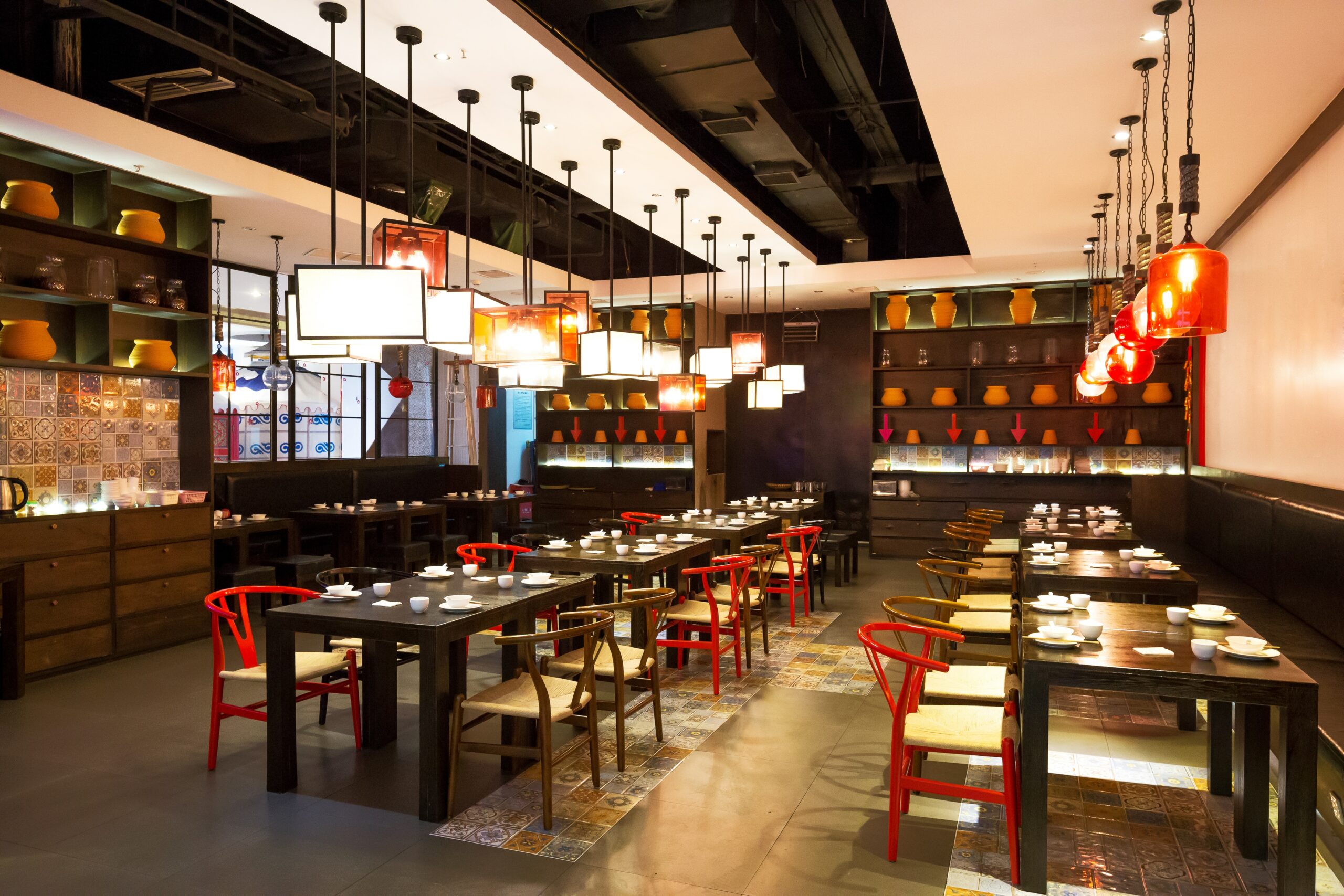

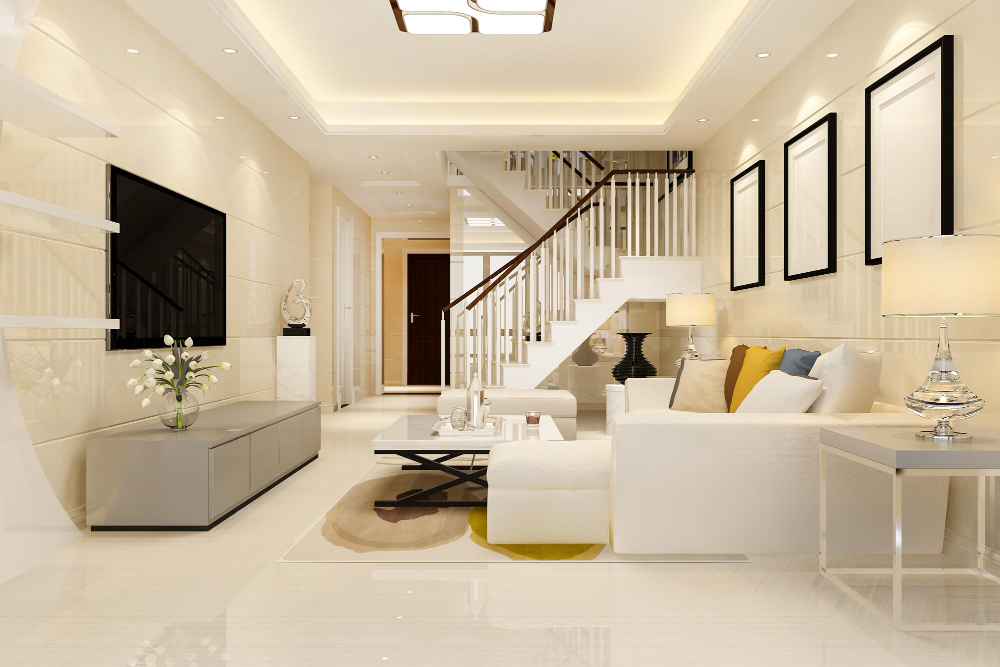
The process of decorating a space turns into something deeper when it comes to residential interior design because it should produce a living space that reflects the lifestyle, together with the personality and needs of its inhabitants. Every element of interior design, from furniture choices to lighting levels to colour palette selection and architectural layout design, works together to create both the functional and aesthetic environment of a residence.
What is Residential Interior Design?
Creating interior spaces for residential settings, including houses, apartments, condos, and villas. Residential interior design creates a personal experience different from commercial and office environments because it reflects individual preferences. Residential design focuses on people’s everyday use and interaction with living spaces for relaxation and social activities. A well-designed home delivers aesthetic appeal along with enhanced comfort, practical use, and efficient movement throughout.
The Design Process
Clients receive help from professional interior designers through established steps toward the real-world execution of their vision. The process typically starts with a meeting to discuss the homeowner’s needs, design tastes, and financial constraints. Designers bring their ideas to life with mood boards, followed by sketches and three-dimensional models.
During the concept’s approval, the design director selects every component, from materials through colours and lighting to fabrics, furniture, and decorative elements. The design process carefully selects all elements to maintain space maximisation while sustaining perfect balance and creating harmonious environments with maximum comfort.
Key Elements of Residential Design
Space Planning
The success of room spaces depends on planning to avoid space limitations and achieve functional spaces. The planning system produces both room function alongside natural room-to-room continuity for specific area purposes.
Color Schemes
The colour selection of a space influences emotional response and visual impression. Warm beige or brown shades produce comfortable spaces, while cooler blue or grey shades produce restful effects.
Furniture Selection
Furniture selection affects residential spaces through both visual appearance and functional usefulness. Designers use measurements, visual proportions, and seating quality to select room furniture.
Lighting
Proper illumination boosts a space’s mood and provides practical benefits. Rooms’ transformative power depends on a blend of sunlight and multiple types of artificial illumination.
Textures and Materials
The use of multiple surface qualities, such as wood and fabric with stone and metal, adds richness in appearance. Materials in residential spaces need to represent both the inhabitants’ lifestyle and their toughness.
Benefits of Professional Interior Design
The decision to work with an interior designer on a residential project generates a wide range of advantages. Interior designers protect your budget by preventing expensive errors, seek out visionary design concepts, and provide full project management services. An interior designer uses his extensive supply network and network of craftspeople to deliver excellent project outcomes.
Customisation is Key
Home interior design requires personal customisation because every family’s needs differ from those of others. Residential design should display the unique characteristics and daily habits of its inhabitants, whether people prefer urban minimalism, traditional Pakistani styling, or modern luxury living.
Conclusion
The art of residential interior design exists to shape spaces into comforting dwellings of familiarity. Professional guidance coupled with perfect design decisions will enable any house to transform into a stylish, functional, and welcoming home. When someone walks through the door, your home generates a feeling beyond any visual impression because the way it makes you feel matters more than the way it looks.