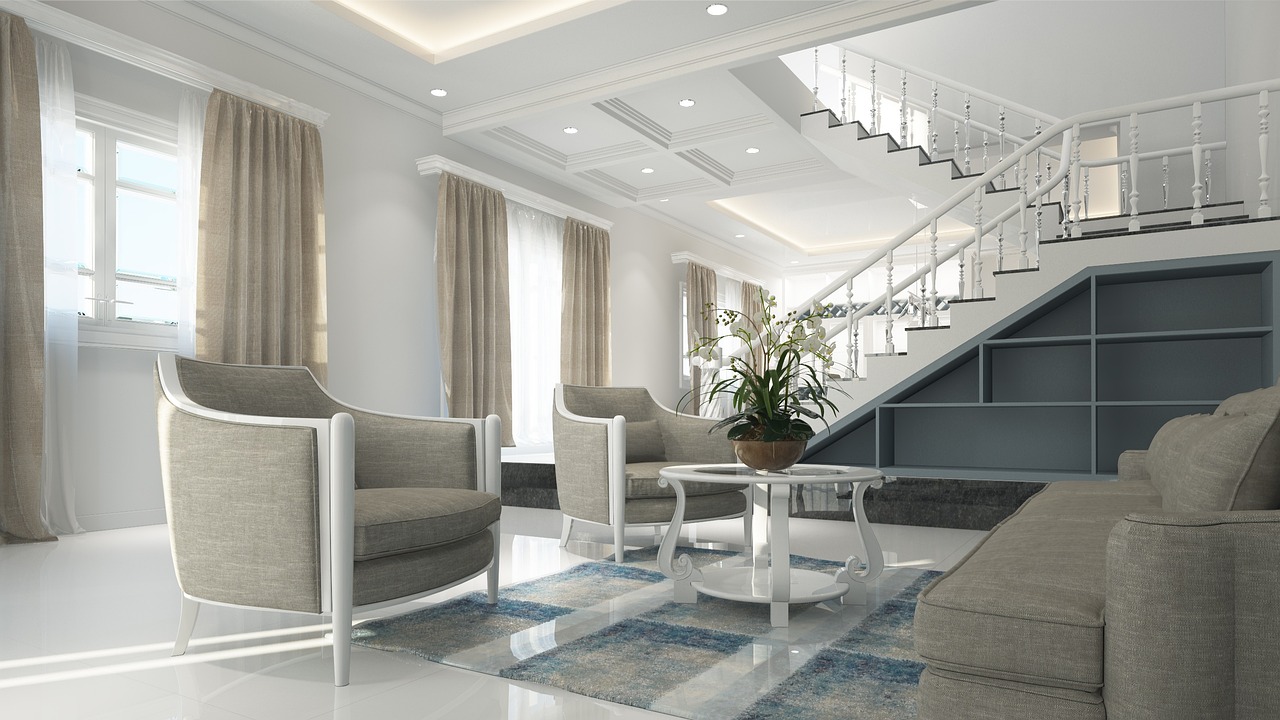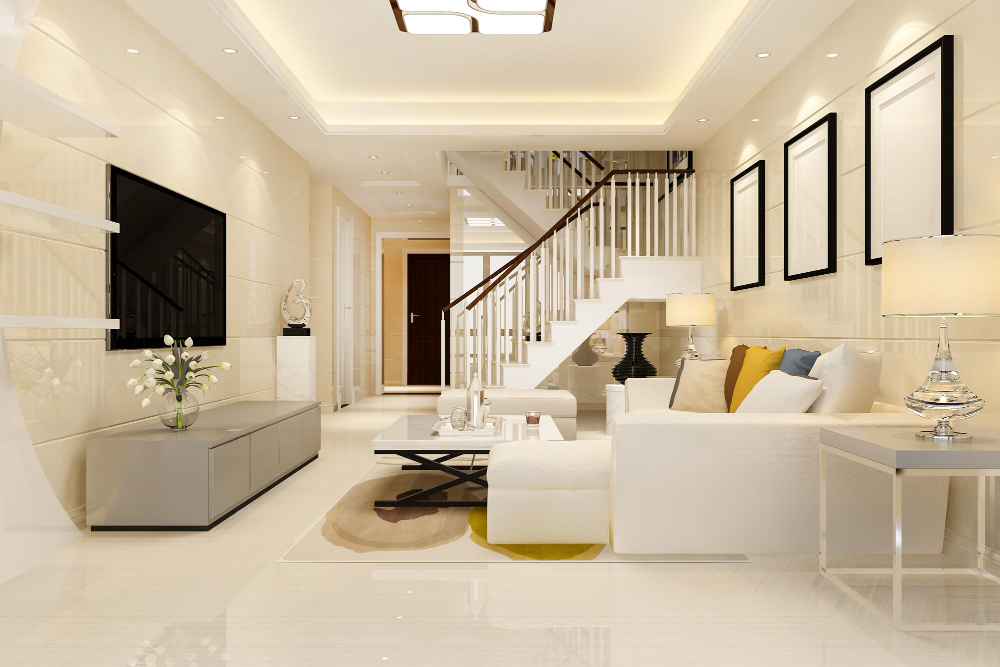

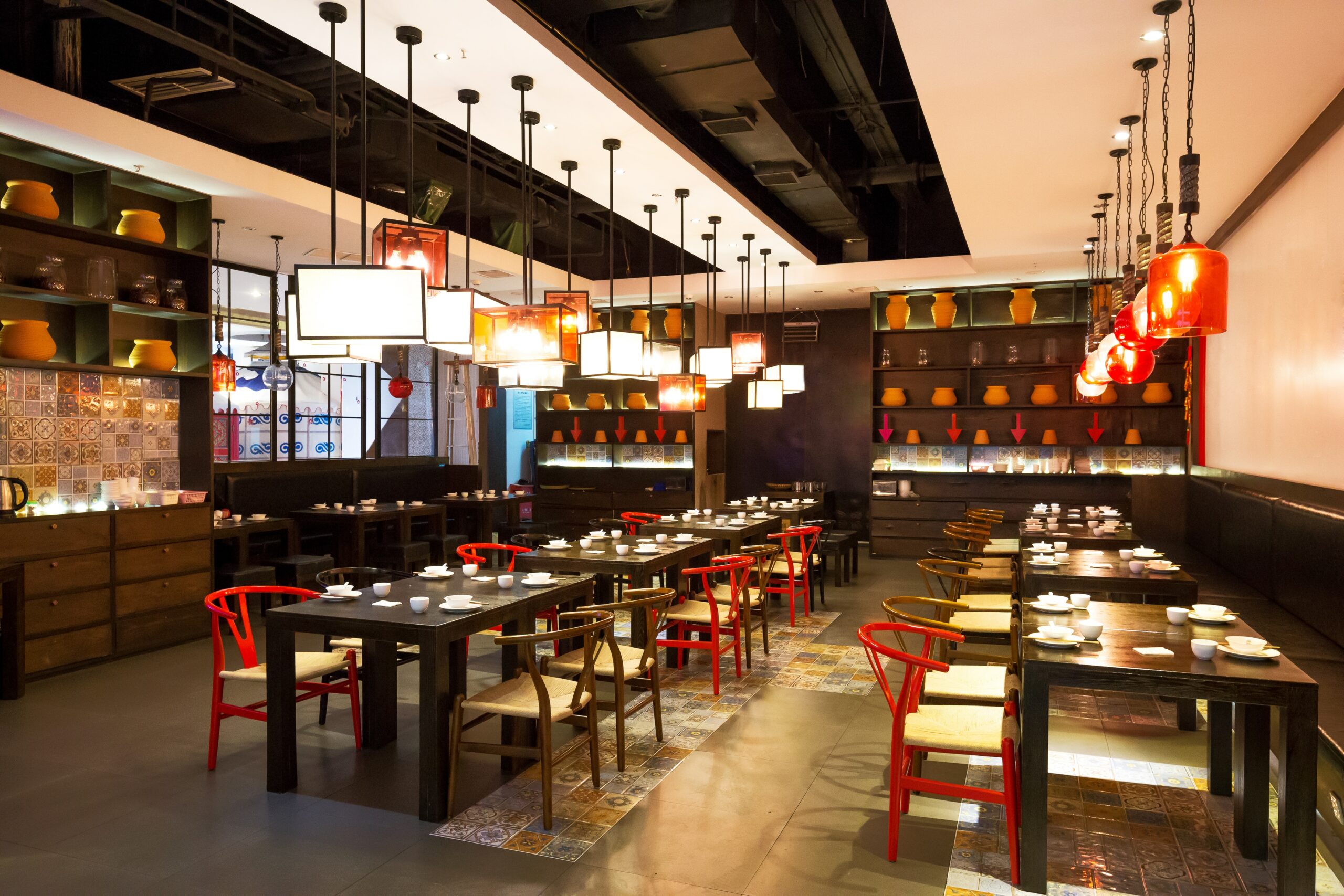
A restaurant’s interior design creates essential elements for the entire dining experience. An excellent menu will attract patrons, but a restaurant’s atmosphere and ambiance make them remain happy and want to return. The design elements we use in restaurants affect diners’ mental states and how they judge the food they are eating. Restaurants in the food industry need excellent interior design as a fundamental requirement to succeed.
First Impressions Matter
Guests create an evaluation immediately after entering your restaurant. Guests use their first visual survey to determine if they chose correctly. Your brand theme and quality, as well as brand personality, instantly become clear through space design. Your restaurant’s interiors must show who you are and meet the needs of your anticipated customer base.
Key Elements of Restaurant Interior Design
1. Layout and Flow
A functional floor plan delivers comfort for restaurant visitors, together with staff. The different areas within your restaurant should connect in a logical pattern from the entrance through dining to the kitchen and restrooms. You want seats to create personal space, but also to optimize the total number of patrons per table. Ineffective layouts create crowded spaces, which result in slow service and disappointed customers.
2. Lighting
Lighting produces emotional effects in spaces. Romantic or high-end restaurants benefit from soft, warm lighting, but family and fast-casual restaurants flourish under bright lights. Modifiable lighting systems make accommodating different times of day possible. A good restaurant lighting design should take advantage of natural sunlight through numerous windows while also using skylights as a source of light.
3. Color Scheme
Colors have the power to affect our emotions. Your environment creates a soothing effect with earth tones but is energized with vibrant colors. Research shows the color blue reduces appetite, although red and orange colors have demonstrated an ability to increase hunger. Your brand’s colors need to work well with the overall ambiance of your restaurant.
4. Furniture and Materials
The restaurant depends on comfortable furniture and strong materials. Be sure to select furnishings that match your restaurant’s identity and operational requirements. Fine-dining restaurants choose leather seats and wood furnishings, while contemporary eating establishments select basic tables with metal elements.
5. Decor and Theme
Decor establishes both style and endearing qualities. The focal point possibilities include art together with plant displays and statement project walls, as well as open kitchen spaces. Instagram-worthy spaces become memorable through unified themes such as rustic farmhouse, urban chic, or tropical escape.
Designing for Experience
The modern dining experience exceeds food alone. Interior design needs to activate each of the human senses. People demonstrate different emotional responses because chairs use various textures together with air scents and background music. The objective involves building a locale that motivates visitors to spend extended time together and to promote their social interactions through online platforms.
Conclusion
Restaurant interior design extends beyond pure aesthetics to achieve functional improvements and practical adjustments that create enjoyable experiences. A properly designed interior space will make customers more satisfied while increasing your staff’s work efficiency and elevating your brand identity. Interior design investment remains a smart strategic decision for new facilities and existing restaurant businesses alike. A pleasant spatial design impacts food taste quality.